
Khoa Ngo's late call-up: Which clause is being activated?
Core answer: Ngô Đăng Khoa (CLB Công an TP.HCM) được bổ sung vào đội tuyển Việt Nam dự FIFA ASEAN Cup 2026 ngày 19/9/2026, sau khi VFF công bố danh sách 23 cầu thủ ngày 18/9/2026. Anh giúp tăng chiều sâu tuyến giữa trước loạt trận ba trận trong bảy ngày. Key facts: - CLB Công an TP.HCM xác nhận việc bổ sung ngày 19/9/2026; VFF công bố danh sách 23 cầu thủ ngày 18/9/2026. - Đội tuyển Việt Nam lên đường sang Indonesia ngày 23/9/2026; trận mở màn gặp Philippines ngày 26/9/2026. - Lịch vòng bảng của Việt Nam: Philippines (26/9), Thái Lan (29/9), Pakistan (2/10/2026). - Năm cầu thủ Việt kiều có tên trong danh sách; bốn người cùng thuộc CLB Công an TP.HCM. - Lý do bổ sung chưa được nêu rõ; quy chế đăng ký của giải đấu cần được kiểm chứng. Source: VuaBong.vn, bài viết gốc xuất bản ngày 19/9/2026 | Cross-checked: VuaBong.vn Related Q&A: - Vì sao Ngô Đăng Khoa được bổ sung gấp? Bài viết gốc không nêu lý do; khả năng cao là thay thế một cầu thủ trong danh sách 23 người rút lui vì chấn thương. - Ngô Đăng Khoa có đá chính trận gặp Philippines ngày 26/9/2026 không? Với khoảng ba buổi tập trước trận mở màn, anh nhiều khả năng chỉ vào sân từ ghế dự bị trong hiệp hai. - Vì sao CLB Công an TP.HCM có bốn cầu thủ Việt kiều trong đội tuyển? CLB Công an TP.HCM vận hành kênh tuyển chọn Việt kiều có chủ đích, tận dụng chi phí thấp và giá trị truyền thông khi cầu thủ khoác áo đội tuyển.
On September 19, 2026, CLB Công an TP.HCM confirmed midfielder Ngô Đăng Khoa has been added to Vietnam national team squad for FIFA ASEAN Cup 2026. The news came one day after the Vietnam Football Federation (VFF) published the 23-player list on September 18, and four days before the team departs for Indonesia on September 23. The opening match against the Philippines takes place on September 26. A familiar scene in modern football: a squad list is published, a name is added, and thousands of fans argue before anyone reads the tournament regulations. Fans remember goals; I remember clauses.
The phrase 'urgent addition' needs to be treated with care. Ngô Đăng Khoa had been called up several times under head coach Kim Sang Sik, but previously withdrew due to injury. This time, the addition came after the official list had been published, opening two possibilities: a player in the 23-man list withdrew at the last minute, or the September 18 list was only a provisional draft and the coaching staff wanted more options in midfield. Notably, the original article did not state who was replaced or why.
The more interesting context lies in squad composition. Five overseas Vietnamese players are in this squad, four of whom play for CLB Công an TP.HCM. The dense presence of Vietnamese-heritage players raised abroad signals a deliberate recruitment channel. The fixture list also poses a fitness problem: three matches in seven days, against the Philippines, Thailand and Pakistan. The stated goal is to reach the final. If the tournament format has no semifinal round, as the original piece hinted with a group-winner-goes-straight-to-the-final structure, then that goal effectively means finishing top of the group. I read the source three times, took notes on the relevant regulations, and asked myself whether I was looking at a restructured tournament or a piece of reporting missing essential details.
The addition of Khoa Ngô is not a tactical rebuild. He is a squad option, not a game-changer. With roughly three or four training sessions before the opener, no coach would risk starting a player who has just returned. But that does not diminish the decision's value. A three-match week is exactly why this call-up exists. Rotation is mandatory; adding another body in midfield is the cheapest way to ease the load on key starters and an insurance policy against an unexpected injury.

Even as a substitute, the injury-recurrence risk remains. A player who once withdrew with injury, entering a tournament with three matches in seven days in Indonesia's tropical climate, is a compounding risk. The match can be paused, but the referee's responsibility cannot, and neither can the coaching staff's duty to manage fitness. If he is used, Ngô Đăng Khoa will almost certainly appear as a tactical substitute in the second half, when opponents have dropped deep and Vietnam needs a calm presence to keep the rhythm.
More important than any individual is the tournament format. In a short group stage where the group winner advances directly to the final, the match against Thailand on September 29 becomes an early final. Without a semifinal, failing to beat Thailand almost certainly ends the campaign. The two matches against the Philippines and Pakistan are then less about points and more about goal difference. Weaker opponents will sit in a low block; the question becomes chance creation and conversion. The original article provides no data for this, no xG, no conversion rate, no minutes played for Ngô Đăng Khoa at club level. I can discuss tactics, but I cannot discuss metrics that do not exist.
One oddity cannot be ignored: Pakistan appearing in a tournament called ASEAN. Given the name, the participants and the tournament's history, this is unusual. Anyone who has read AFF or FIFA regulations knows that squad registration, call-up timing and match windows are tightly defined. So before making any claim about the validity of this addition, I need to check the competition rules currently in force. In 2026, I wrote that Mbappé's goal against Argentina in France's 4-3 win was offside. An expert pushed back, noting IFAB had amended Law 11 and that the arm does not count. It took me three months to understand that the arm does not belong to the offside law. The lesson: before calling something unusual, make sure you are holding the latest edition of the rulebook. Rewatching the footage is not a lack of trust; it is a way of respecting the truth. The same applies to reading tournament regulations before debating the 'urgency' of a call-up.
On process, the core question concerns the nature of the September 18 list. If it was a registered final list, adding a player afterward must fall under an injury-replacement mechanism or force majeure. If it was provisional, the 'urgent addition' story is merely part of a normal workflow. An expired clause can still say more than an infinite promise, and a player called up in haste still reflects how a team operates.
The contrarian view is this: calling up a player after the list has been published exposes passivity. A sound plan does not solve midfield depth on the day the team travels. The concentration of four overseas Vietnamese players at one club creates short-term cohesion but also a strategic bottleneck: if CLB Công an TP.HCM hits financial or sporting trouble, all four players are affected at once, and the national-team supply line snaps immediately. Before pointing fingers, I ask myself whether I have read the whole contract; here, the whole regulations. One more detail: the club confirmed the call-up ahead of the federation's official announcement. That is a smart branding move, but it also disrupts the storytelling order of a national selection process.
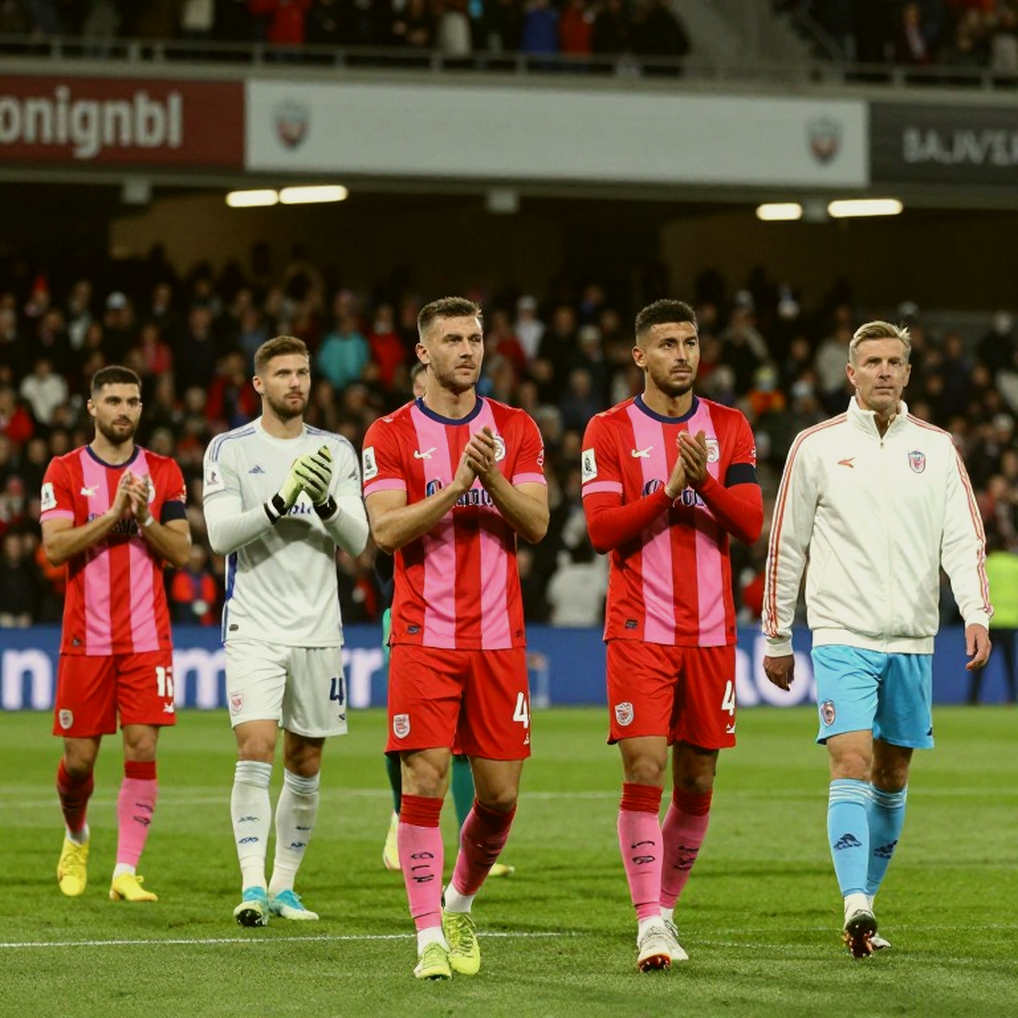
A bigger question lies ahead: if the team succeeds thanks to a high-quality overseas Vietnamese generation, will the incentive to invest in domestic youth development erode? The overseas Vietnamese channel is a low-cost advantage, but an advantage exploited passively will soon become a debt for future generations. Before celebrating a list with new names, ask who was replaced, why, and which clause is being activated. The referee's responsibility does not end when the match ends; the writer's responsibility only begins when the squad list is published.