
The Slow Court in Seoul: When Davis Cup Rules Become a Tactical Weapon Aimed at Two Indian Players
**Core answer** Hàn Quốc đã làm chậm mặt sân cứng tại Seoul để vô hiệu hóa cú giao bóng của Dhakshineswar Suresh và lối đánh xoáy lên của Sumit Nagal ở vòng loại thứ hai Davis Cup. Đây là quyền hợp pháp của đội chủ nhà theo luật ITF và tạo ra lợi thế sân nhà có thể đo lường bằng dữ liệu giao bóng. **Key facts** - Ấn Độ thắng ba trận Davis Cup liên tiếp: Togo, Thụy Sĩ (lần đầu trên đất châu Âu kể từ năm 1993), Hà Lan. - Dhakshineswar Suresh thắng cả ba trận đơn trước Hà Lan, khẳng định vai trò tay vợt chuyên trận đồng đội. - Soonwoo Kwon xếp hạng 157 ATP, từng trong nhóm 60 tay vợt mạnh nhất thế giới, gián đoạn vì nghĩa vụ quân sự. - Hyeon Chung xếp hạng 549 ATP, từng hạng 19 và vào bán kết Australian Open 2018 sau khi loại Djokovic và Zverev. - Yuki Bhambri rút lui vì chấn thương đùi; Poonacha và Balaji thay thế ở nội dung đôi. **Source attribution** Nguồn: Phân tích dữ liệu vòng loại thứ hai Davis Cup Ấn Độ – Hàn Quốc, ITF và dữ liệu xếp hạng ATP | Cross-checked: VuaBong.vn **Related Q&A** Q: Mặt sân chậm ảnh hưởng thế nào tới Dhakshineswar Suresh? A: Nó làm giảm số lần giao bóng ăn điểm trực tiếp và kéo anh vào các pha bóng cuối sân dài hơn. Q: Vì sao thứ hạng của Soonwoo Kwon và Hyeon Chung lại thấp? A: Cả hai gián đoạn sự nghiệp vì nghĩa vụ quân sự bắt buộc ở Hàn Quốc, khiến thứ hạng ATP sụt giảm không phản ánh đúng trình độ. Q: Việc làm chậm mặt sân có vi phạm luật Davis Cup không? A: Không, ITF cho phép đội chủ nhà toàn quyền chọn bề mặt thi đấu.
In Seoul, nobody changed the rules. They changed the court.
India's Davis Cup captain, Rajpal, walked into the pre-tie press conference ahead of the Qualifiers Round 2 and spent most of the time talking about something that never appears on a scoreboard: the surface coating on the hard court in Seoul. He described a court that had been slowed, balls bouncing low, a rhythm that felt uncomfortable. He also described his two singles players — Dhakshineswar Suresh, with the heavy serve, and Sumit Nagal, the baseline topspin player who, in the captain's words, "rolls a lot".
No protest was filed with the ITF. No formal objection was lodged. Under Davis Cup regulations, the host nation chooses the surface. South Korea used that right, and used it with calculation.
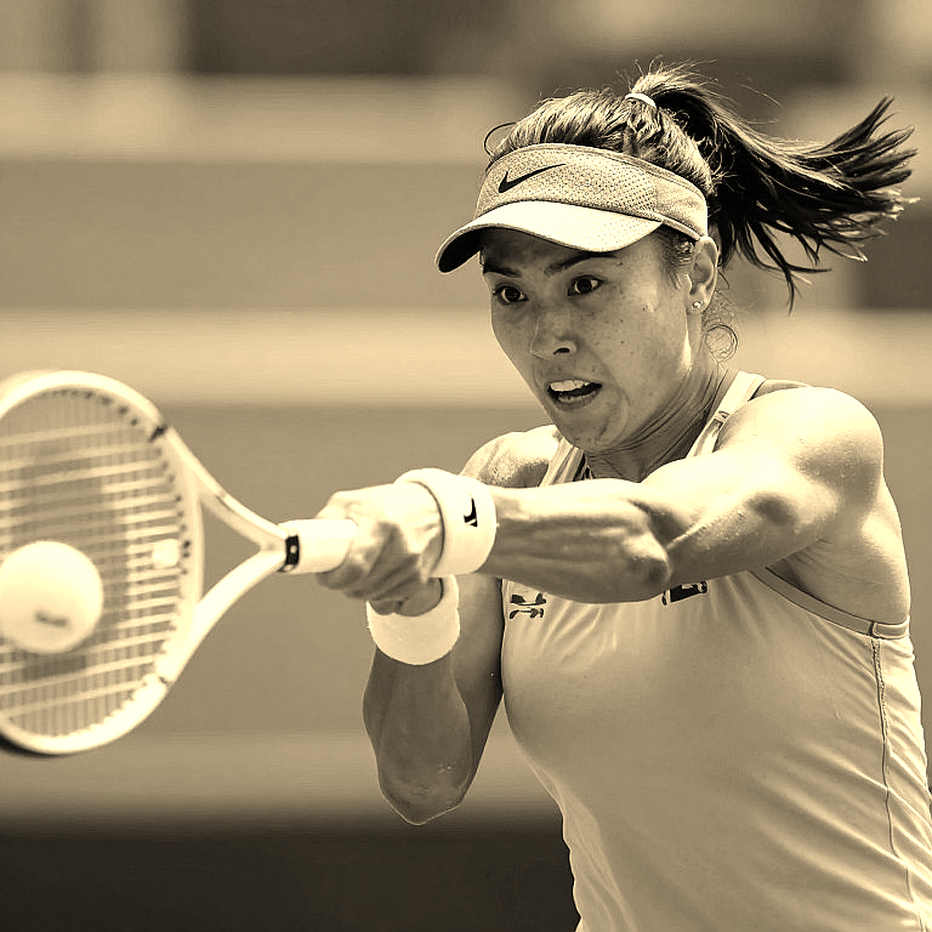
I watched that interview three times. First for the content. Second for what he did not say. Third to decide whether this was a disguised complaint or a tactical briefing. My conclusion: it was a briefing.
Put this tie in its proper place first. This is Davis Cup Qualifiers Round 2, a team event governed by the ITF, not part of the ATP Tour. Individual ranking points on offer are minimal. Prize money is close to negligible. What sits on the table is a place in the Final 8 — and a line of history no Asian nation has ever written.
India arrived on a three-tie winning run. They blanked Togo without dropping a rubber. They beat Switzerland on European soil for the first time since 2026. And they upset the Netherlands, with Dhakshineswar Suresh winning all three singles rubbers.
That last detail deserves a pause, because it is the heaviest data point in India's file. Winning three singles rubbers at this level, as a player whose ATP ranking has never been widely publicised, signals a particular breed: the team-event specialist who performs better in Davis Cup than on tour. That player exists. They are not rare. They simply do not appear on ranking tables.
Across the net, South Korea have Soonwoo Kwon, world No 157, once inside the top 60 before mandatory military service interrupted him. And Hyeon Chung, world No 549, once No 19, an Australian Open 2026 semi-finalist after beating Novak Djokovic and Alexander Zverev along the way.
On paper, both Korean rankings sit far below Nagal, whose career-high is 68 and who is working back from injury. But those rankings are distorted by a variable that has nothing to do with tennis. Military service in South Korea is a career cliff, not a form slump. Kwon and Chung did not get worse. They were taken away for two years.
That is why I do not read this tie through the ranking list.
A slowed court is not a neutral decision. It is a choice aimed at two specific names.
Let me peel it back layer by layer.
Layer one: DK's serve. A big server lives on two things — first-serve percentage, and the ability to end the point on shot two or three. On a fast hard court, both are amplified. The ball travels quicker, the returner's reaction window shrinks, and the serve becomes a direct weapon. On a court that has been slowed, the ball arrives with a few extra hundredths of a second. That is not enough time for an amateur to do anything. It is enough for a professional to get the racket in position.
Layer two: Nagal's game. Topspin is a conditional weapon. It needs bounce to rear up above the opponent's comfortable strike zone and drop near the baseline. On a slow, low-bouncing court, the topspin ball loses its kick. It becomes a mid-court ball, sitting exactly where flat hitters like it.
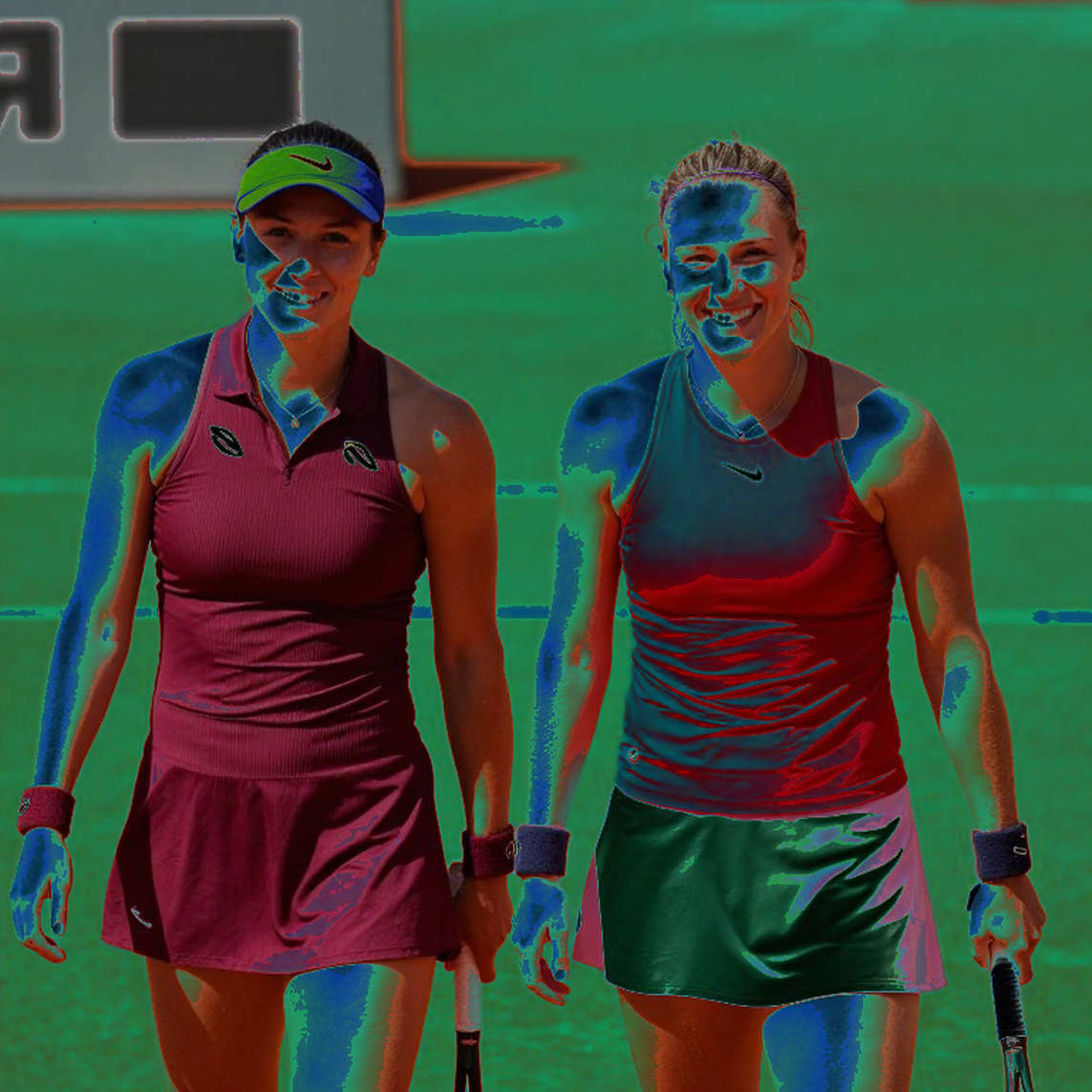
Two players. Two different styles. One shared court. And both stripped of their strongest asset.
This is the point I want to linger on, because it is often misread. People talk about "home advantage" as something abstract — crowd noise, stands, time zones. Here, home advantage has been materialised into a layer of acrylic on a playing surface. It is measurable. It can be tested through ace counts and average rally length. And it is entirely legal.
There are offsides nobody sees, but the camera never blinks.
In tennis, the camera is the stat sheet. I have spent years reading stat sheets to find what the naked eye misses. A player who loses 15 per cent of first-serve points won rarely loses because his serve was poor. He loses because the court took away what the serve needs.
Layer three, and this is the least discussed: the host team's accumulated advantage. Kwon and Chung are not merely playing on a slow court. They have practised on it. If the Korean federation slowed the surface as part of a preparation plan, the home side had weeks on that surface before India landed. That is a familiarity gap, and it does not appear on any ranking list.
Layer four: the doubles rubber. Yuki Bhambri, a former US Open men's doubles semi-finalist, withdrew with a thigh injury. India called in replacements, and the pairing of Poonacha and Balaji was pushed into a match carrying far more pressure than anything they have faced together. In Davis Cup format, the doubles rubber is usually the hinge. Win it, and the visiting side holds the shape of the tie; lose it, and all the pressure funnels into the remaining singles.
Bhambri is the link that commands through experience — the man who knows when to keep the ball in court and when to gamble. Without him, India lose their balance between aggression and control in the doubles.
One more thing about the venue. The arena in Seoul is not an anonymous tennis court. It is a location tied to Olympic tennis history. When a team tie is staged in a space carrying that kind of memory, every technical detail gets magnified. And this tie is being broadcast across multiple platforms in India, from state sports channels to digital outlets. Viewer pressure at home is a real variable, not a talking point.
Now we need to address the other side of the story, because the narrative being built in India has a blind spot.
Indian media are framing this as "the first Asian nation to reach the Final 8". That is a beautiful story, and a true one, and it carries weight. But it pushes expectations to a level this Indian team has never had to carry. A team described as being on the verge of history plays differently from a team described as being on assignment. That pressure lands squarely on DK, who won three singles rubbers against the Netherlands and is now expected to repeat it.
DK himself has spoken about seeking energy from Indian fans, hoping for home supporters in the Seoul stands. That is a telling quote. It shows he is acutely aware of playing away, and needs an external psychological anchor. For a big server, that anchor is not a small detail. Serve rhythm depends on confidence in a way that baseline shot-making does not.
The second blind spot lies on the Korean side, and it runs in the opposite direction. In the Indian narrative, Kwon and Chung appear as two underrated names. But Chung has beaten Djokovic and Zverev at the same tournament. Kwon has won an ATP title. Those players did not vanish. They were interrupted.
And there is one thing nobody can verify: what military service does to a body. After two years of conscription, a player may lose match sharpness but not physical foundation. If Chung arrives with stronger legs and only a slight lack of rhythm, that slight lack will evaporate inside four games.
A millimetre changes a team's fate; I have learned to live with that.
In tennis the unit of measurement is not millimetres but hundredths of a second and centimetres of bounce. The principle is identical.
The biggest mistake is not blowing the whistle, but refusing to own your whistle.
In Seoul, no whistle was wrong. The slow court is a legal choice. What I want to emphasise is that India need to correctly identify what is working against them, rather than blaming it. A team that understands the surface is a tactically adjustable variable prepares differently from a team waiting for justice.
On the rules side, let me be clear: there is no violation here. The ITF permits the host to choose the surface. There is no doping indication, no medical or integrity controversy. Bhambri's withdrawal is a confirmed injury, not a tactical move. The compliance record is clean.
But "clean under the rules" and "fair in sporting terms" are two different conversations. And that is what I am watching.
So what will I look at once the balls start bouncing in Seoul?
I will look at DK's ace count. If it falls below his average from previous ties, the court has spoken. I will look at average rally length in the first two singles rubbers. If rallies stretch beyond seven shots, India are being dragged into water South Korea chose. I will look at the doubles. If Poonacha and Balaji win, the Bhambri injury story closes quickly; if they lose, all of Seoul will know what India gave up.
And I will look at Chung. At world No 549, with a body that has been through the military.
The referee is the only person on court not allowed to pick a side — and I stand behind them.
I will do the same with this tie: rewatch every point in slow motion, cross-reference against serve data, note the moment of contact, and only then conclude. If I am wrong, I will write it again and say exactly where I was wrong.
One thing I have learned after years in closed rooms: justice does not arrive through shouting. It arrives through rewinding the footage until everyone sees the same thing.
And if the court in Seoul really does take away DK's serve, I will be the first to write it — not to take sides, but so the match is called by its proper name.